|
| The cats of Japan's "Cat Island" await your visit. Via. |
From protectors of ancient religious relics to demon cats haunting night travelers to the YouTube and media celebrities of today, cats have an unparalleled place in Japan's history and culture.
First introduced to Japan around 500 A.D., cats instantly proved their worth as guardians of Buddhist temple manuscripts. Mice and other rodents were particularly fond of the parchment used in most documents of the time, so cats were regularly considered both protectors of the home and of valuable books. Cats were often housed in private pagodas in Japan andwere considered so valuable that by the 10th century CE, only the nobility could afford to own them.
As familiarity with cats grew, they became known for more than just their positive attributes--infamous for stealing food and destroying people’s possessions. But in 1602, the number of domestic cats sharply declined after the Japanese government ordered all cats to be released so that they could catch the rats destroying the silkworm industry.
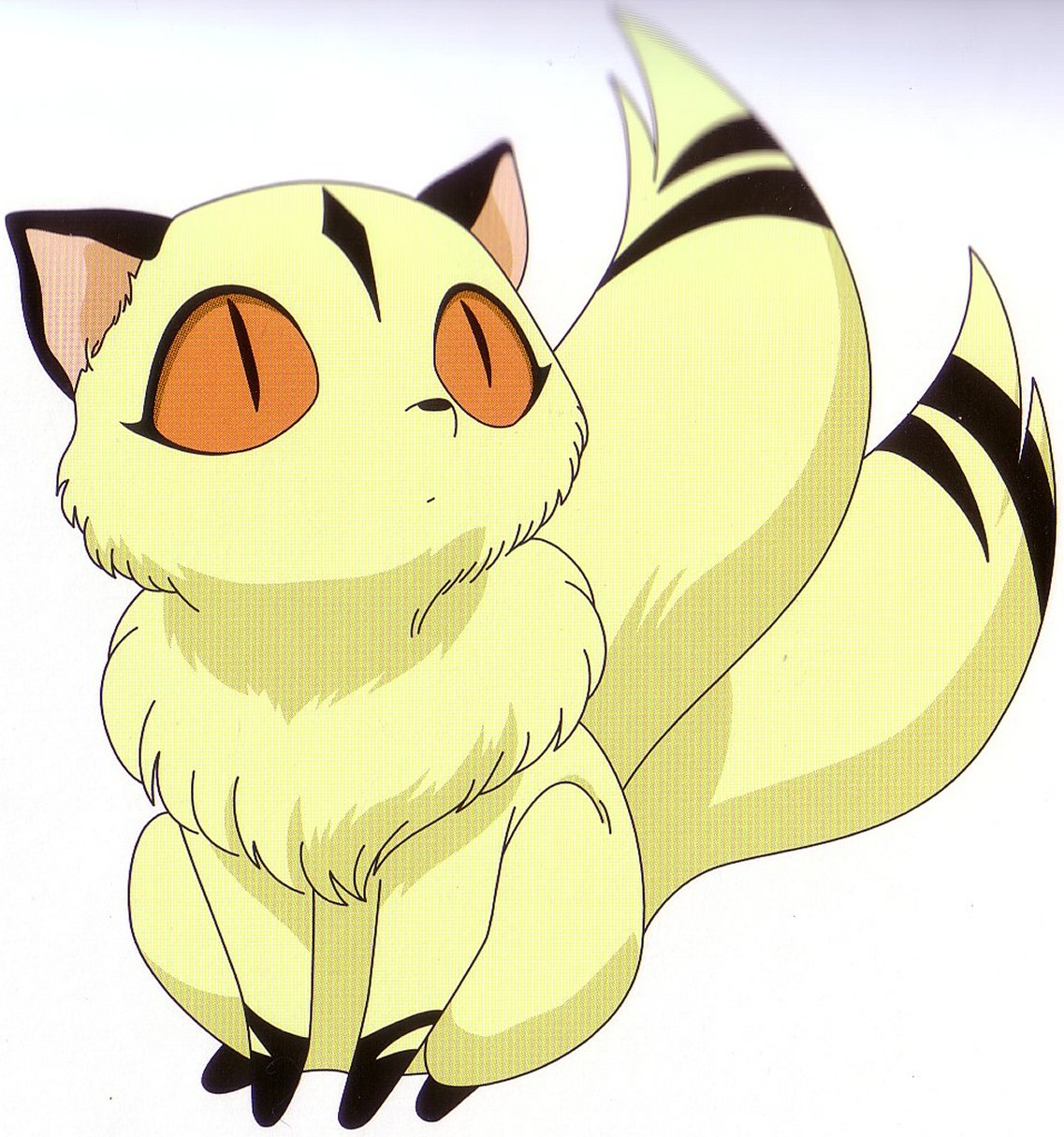
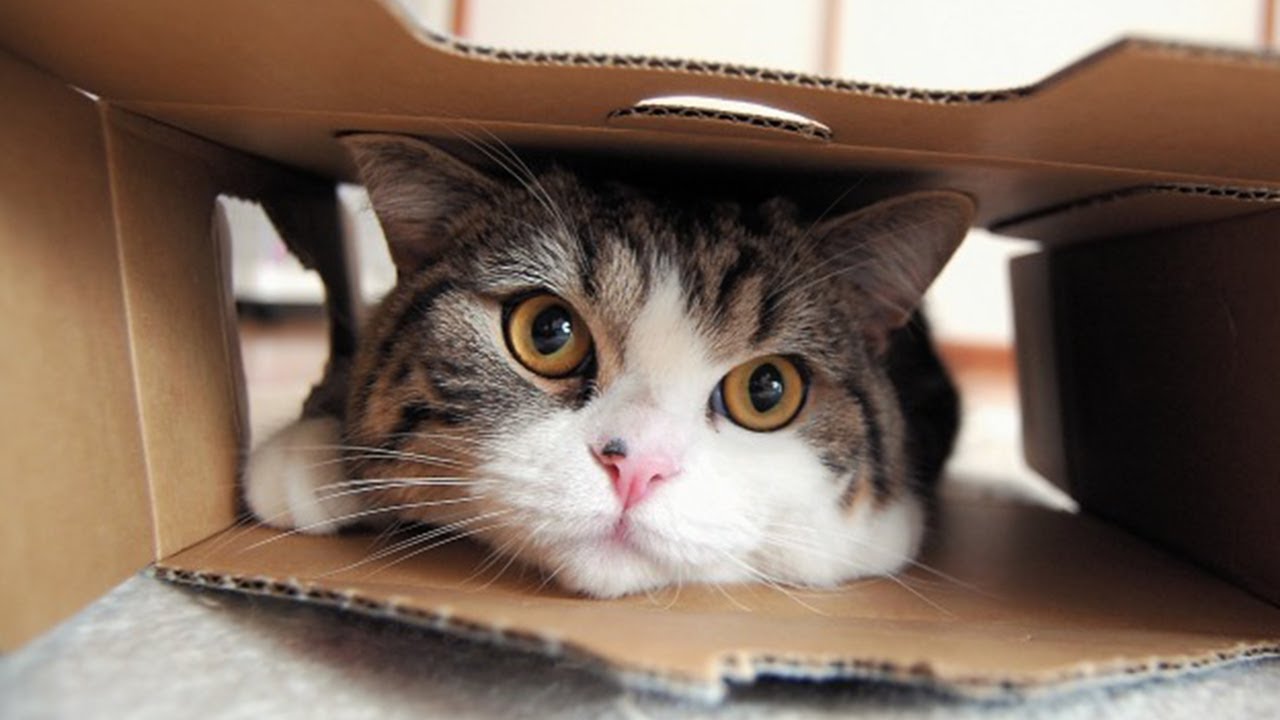
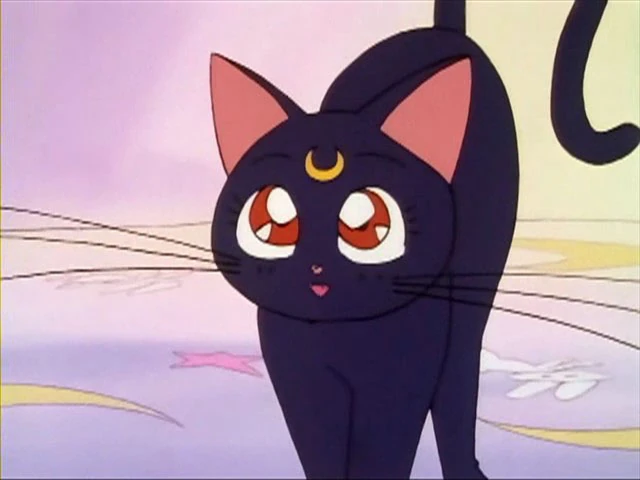
Today cats are everywhere, especially in popular Japanese culture. There’s Kirara from Inuyasha, Maru of YouTube fame, futuristic robot feline Doraemon (named the 2020 Tokyo Olympics ambassador), Luna from Sailor Moon, The Catbus from My Neighbor Totoro, Meowth from Pokemon, travel mascot Nyalan, and Station Master Tama, who not only welcomes tens of thousands of tourists to the Kishi train station in Wakayama, Japan, but reportedly has boosted the local economy by millions of dollars.
Japan’s love of cats extends beyond the realm of fiction and media. At Japanese cat cafes, cat lovers can spend time petting and playing with their favorite animals, all while enjoying a cup of coffee. Owing to strict apartment regulations in Japanese cities, which don't often allow residents to own cats, the cafes have taken off in Japan, where there were nearly 150 as of 2012. The phenomenon has quickly gone global, with London and New York City opening their first cafes in 2014, Lady Dinah's Cat Emporium and Meow Parlour respectively.
Another major cat attraction is Aoshima’s “Cat Island”, one of approximately eleven cat islands in Japan. There, cats outnumber humans six-to-one, as the island is home to just 15 people, mainly elderly fishermen and their wives. The cats get a pretty good deal, free to roam about as they please, with the village nurse there to feed them every day.
 |
| Utagawa Kunisada's 1861 illustration for the kabuki play The Spirit of the Cat Stone. Courtesy of the Hiraki Foundation. |
Before they took over the internet and peppered the headlines of mainstream news outlets around the world, Japanese cats had a darker more storied life in the country's mythology and folklore.
In their review of Japan Society's hit exhibition Life of Cats: Selections from the Hiraki Ukiyo-e Collection closing today, The Guardian wrote, "The paradox between cats’ cute outward appearance and inward capacity for wickedness (or at least sofa destruction) is crucial to their place in Japanese folklore."
The demon cat bakeneko transforms into whatever it wishes, including humans. Tales of lovers and courtesans transforming into cats when they thought no one was watching were popular back in the Edo period (1603-1868), and they are often depicted in art of the era dancing about with a towel or napkin on their heads. According to Hyakumonogatari:
Bakeneko has been rendered in English in a variety of ways. Monster cat. Ghost cat. But the most accurate translation would be “Changing Cat”... for the bakeneko, there is a general scholastic consciences that the legends began with fish.
Cats are not indigenous to Japan, and the little “hand-fed tigers” were imported in later years and served as house pets and rat-catchers. Most of Japan at the time lived on a diet of vegetables and grains, with very little supplementary meat or protein. Cats were fed leftovers. However, cats are carnivorous. They don’t do well on a diet of vegetables and grains, and when they are hungry they will take their protein where they can get it. And many households had a ready supply, even if they didn’t know it.
Oil lamps as the time often used rendered fish oil as fuel. To a protein-starved cat this was exactly what they needed, and they would stand on their hind legs to reach up to the lamp to lick out the fish oil. Frightened pet owners looking at the lamplight-cast shadows would see their tiny cat suddenly elongate and stand on two legs as if transforming into a human. Thus was established the connection between bakeneko and shadows.
There’s also the nekomata, a vicious cat that enjoys stalking and attacking humans. During the Kamakura period (1185–1333), tales of nekomata spoke of massive beasts that lurked in the mountains, waiting for unsuspecting travelers – their next meal – to approach. By the Edo period, nekomata were believed to evolve from house cats that had lived for a very long time, fleeing to the mountains when their time came. Once the creature’s tail had split in two, the transformation was complete.
The nekomata figure prominently in the popular kabuki play The Spirit of the Cat Stone dramatized by Tsuruya Nanboku in the late 19th century, and inspried by a real location. The cat-shaped rock at the Okazaki station (in today’s Shizuoka Prefecture) along the Tōkaidō Road was believed to carry the vengeful spirit of a wrongly killed woman, and would take the form of the nekomata, emerging from an aged cat who grows the tell-tale split-end tail. The nekomata first appears as an old innkeeper greeting travelers who stop to rest in Okazaki, but at night her true nature is revealed as she licks oil from a lantern and her silhouette shows a cat shape, which commands several bakeneko that dance around the intended victims.
On the more fortuitous side of Japanese folklore, is the Maneki Neko, the squat, often smiling cat which often adorns Japanese shops and Asian stores in general. The bright eyed, beckoning statue is said to bring good luck. With a wave of its left paw, it is said to attract customers, while a waving right paw invites good fortune or at least cash. Catster points out a couple of origin stories in their article "5 Interesting Facts About Fortune Cats (Maneki Neko)":
There are a couple of popular legends about the origins of the Lucky Cat. The first tells of a wealthy man who took shelter from a rainstorm under a tree next to a temple. He noticed a cat that seemed to be beckoning to him, so he followed it inside the temple. Shortly thereafter, lightning struck the tree he had been standing under. Because the cat had saved his life, the man was so grateful, he became a benefactor of the temple and brought it much prosperity. When he passed away, a statue of the cat was made in is honor.
Another common legend is a really peculiar one. A geisha had a pet cat that she adored. One day, it was tugging at her kimono and the owner of the brothel thought the cat was possessed, so he sliced off its head with a sword. (Yeah, gruesome! No cats were harmed in the writing of this article.) The flying cat head landed on a snake about to strike and the fangs killed the snake and saved the woman. The geisha was so distraught by the loss of her cat that one of her customers made a statue of the cat to cheer her up.
When looking at the cats of ancient and modern Japan, along with the prevailing images and stories of the times, it’s incredible to see how cats have evolved over the ages and maintain their place as one of Japan's favorite animals. For animals not native to Japan, they’ve certainly left their mark throughout its history and culture.
--Mark Gallucci, Japan Society Staff
--Mark Gallucci, Japan Society Staff
 |
| The Nyan Avengers. From left to right: Station Master Tama, Luna, Maru and Doraemon. |